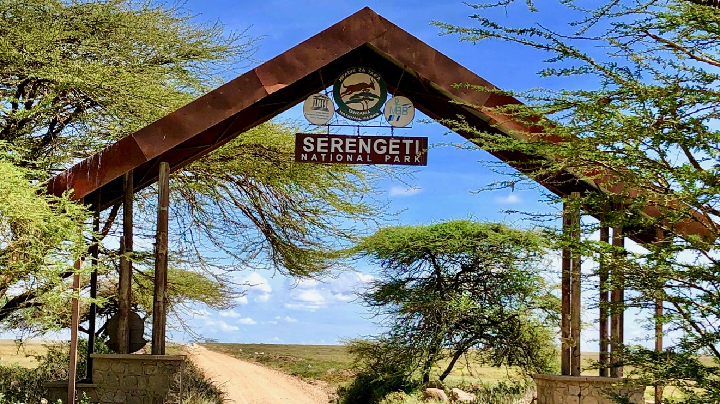
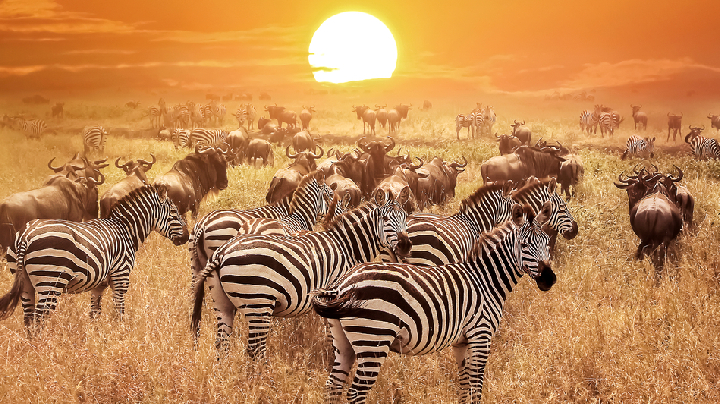
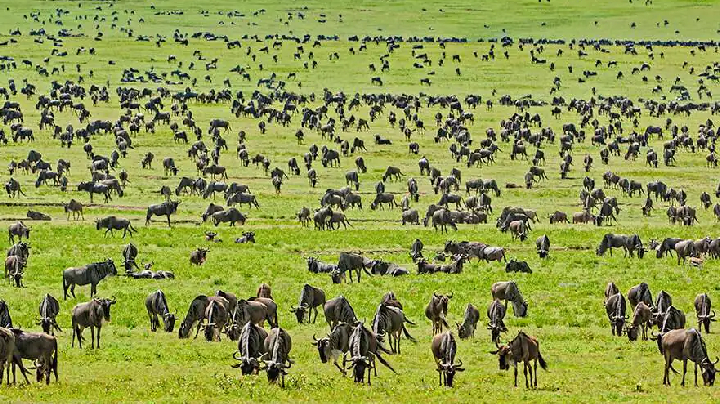
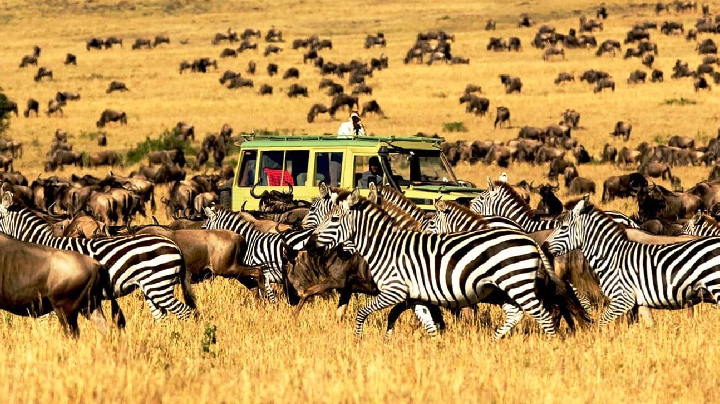
Serengeti National Park is one of the most famous parks in Africa and is synonymous with wildlife and classic African scenery. It is Tanzania’s oldest park and a Unesco World Heritage Site. Serengeti National Park is one of the world’s most magnificent natural landscapes wherein the harmony of nature can be appreciated as nowhere else on earth. Known to the local people as ‘Siringet’, which means ‘the place of the endless plains’, the Serengeti is also known as ‘the greatest wildlife show on earth’ for the annual migration of over one million wildebeest and the animals that follow them, which varies depending on the season.
Best time to visit Serengeti National Park
Wildlife viewing is good throughout the year in Serengeti National Park, but certain areas are better at specific times. Most people want to see the wildebeest migration and the predator action that goes with it. The good thing is that you can witness different stages of the migration in Serengeti from around January to October, so most of the year. The bad news is that the movement of the wildebeest depends on the rain and the exact timings are unpredictable.
Around January to February is a fantastic time to be in the Ndutu area for the wildebeest calving. June and July is the best time to be in the Western Corridor, and during August and September the migration is in the north where you might be able to see the famous Mara River crossings. Beware though that the crowds follow this calendar, so for an uncrowded experience you should stay away from the migration.
Key Times for Specific Experiences: Great Migration River Crossings (Northern Serengeti): July to September. Calving Season & Predator Action (Southern Serengeti): January to February. Best Overall Game Viewing (Dry Season): June to October. Fewer Crowds & Birding (Wet Season): March to May and November.
Seasonal Breakdown: June – October (Dry Season): The vegetation is thin, making wildlife easier to spot as they gather around water sources. January – March (Calving Season): Lush green scenery in the South with high chances of seeing big cat action. April – May (Wet Season): Peak rainy season, which can make roads difficult to navigate, but offers lower rates and fewer tourists.