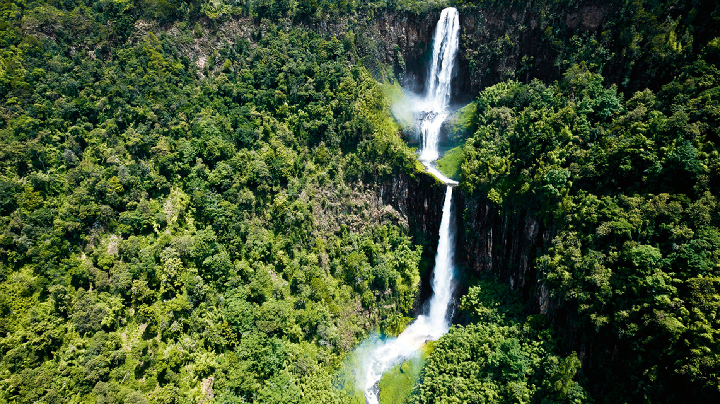
Aberdare National Park “Majestic Peaks, Moorlands and Intriguing Falls” Picturesque, steep forested ravines and open moorland characterise the Aberdare National Park.
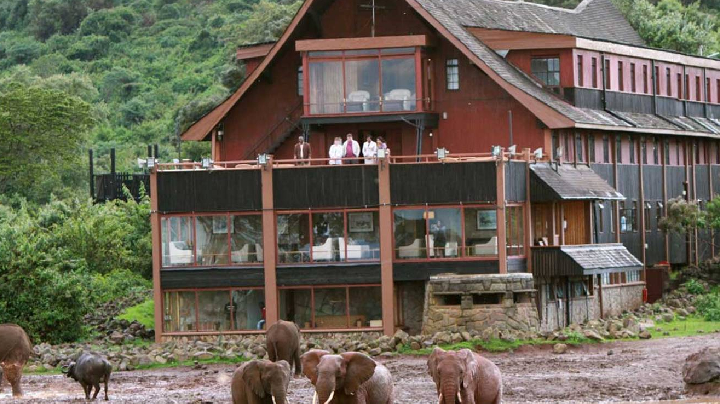
The park provides a habitat for elephants, black rhinos, leopards, spotted hyenas, olive baboons, black and white colobus monkeys, buffalos, warthogs and bushbucks among others. Rare sightings include those of the Giant Forest hog, bongo, golden cat, serval cat, African wild cat, African civet cat and the blue duiker. Visitors can indulge in picnics, trout fishing in the rivers and camping in the moorlands. Bird viewing is rewarding, with over 250 species of birds in the park, including the Jackson’s Francolin, Sparrow hawks, goshawks, eagles, sunbirds and plovers.
Best time for visit
Aberdare National Park is best during the drier months (from June to September and again from December to February). This is particularly so for hikers who want to explore the park extensively. Otherwise, Aberdare offers good wildlife viewing throughout the year, especially since it’s possible to see plenty of wildlife from the tree hotels. For everywhere else in the park, heavy rain can be a hindrance, especially in April, May and October.
Dry Seasons (Best Overall): June – September (long dry season) and January – February (short dry season) are ideal for wildlife viewing and hiking in the moorlands. Wildlife Viewing: The best viewing, including rare species like the black rhino and bongo, occurs in the dry months. Birdwatching: The best time for birding is between November and April when migratory species arrive. Wet Seasons (Avoid or Prepare): March – May and October – December experience heavy rain, which can make roads impassable and hiking difficult. Climate: The park is cooler than the rest of Kenya, with temperatures ranging from 11°C (52°F) to 23°C (73°F). Packing: Always carry warm clothing and waterproof gear due to the high altitude and unpredictable mist.