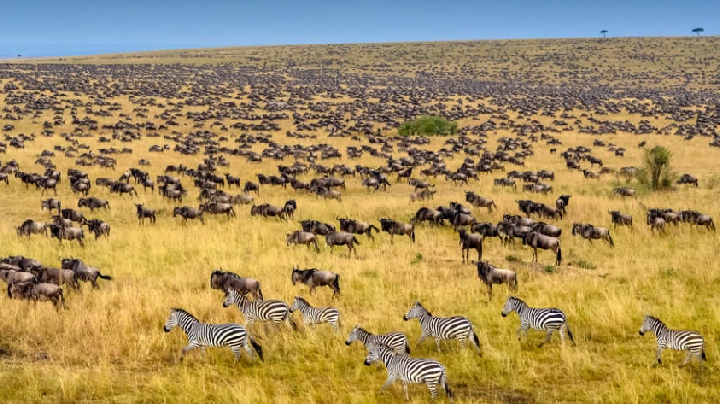
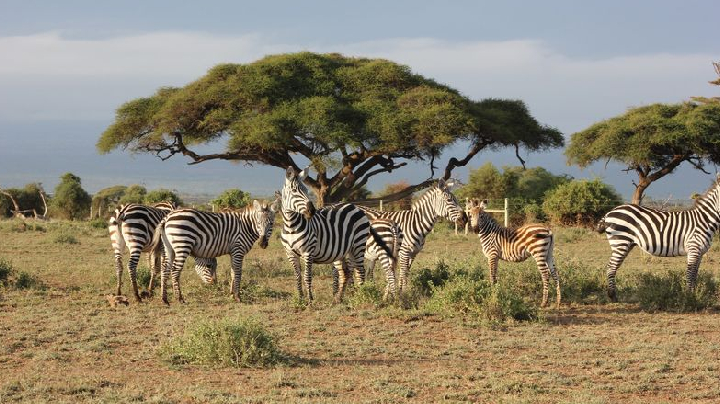
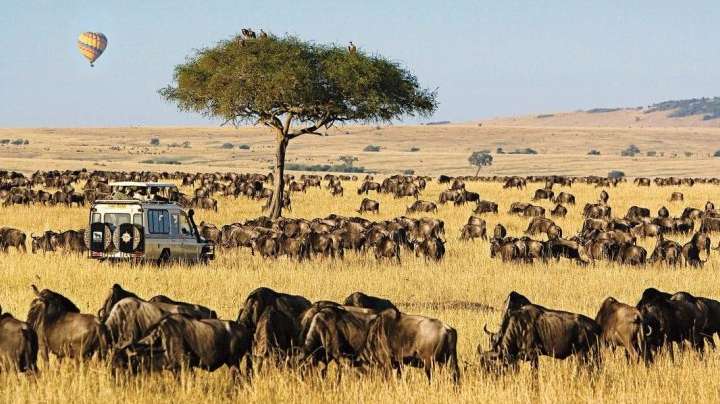
Masai Mara National Reserve is located in south west Kenya and is a vast scenic expanse of gently rolling African savannah plains measuring 1510 square kilometers in area and bordering the Serengeti National Park in Tanzania to the south. Masai Mara is a unique wildlife conservation haven famous for its spectacular natural diversity of wildlife more so as the reserve has been voted one of the new Seven Wonders of the World where millions of wildebeest migrate annually, offering visitors numerous reasons to visit this animal paradise. Large numbers of Lions, Cheetah, Elephant, Rhino, African Buffalo, Wildebeest, Giraffe, Zebra and many more animals are found in the park in their natural habitat, unconfined and free to roam the vast Kenyan wilderness stretching for miles on end.
Best time to visit Masai Mara National Reserve
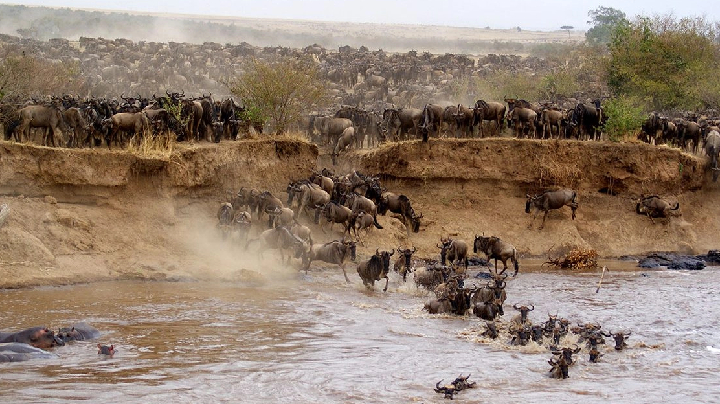
The best time to visit Masai Mara National Reserve is during the dry season from late June to October, which coincides with the spectacular Great Migration and offers peak wildlife viewing. August to September are the best months to see the river crossings, though the park is busiest then.
Key Periods to Consider:
Best for Great Migration & River Crossings (Peak Season): July – October. The wildebeest herds arrive from the Serengeti, offering dramatic, action-packed game viewing.
Best for General Wildlife Viewing (Dry Season): June – October. Vegetation is thin and animals gather around water sources, making them easy to spot.
Best for Budget & Fewer Crowds (Low Season): November – May. The landscape is lush, green, and great for birdwatching. April and May are the wettest months, which may limit game drive access.
Best for Predators & Birdwatching: December – February. Predators are active, and it is a good time for birding.
Key Considerations:
Weather: June–October offers sunny, cool days and cold nights.
Crowds: The peak season (July–October) can be crowded. Consider private conservancies for a more exclusive experience.
Photography: July–October provides the best light and action, while March–May offers dramatic, stormy skies.